15 Movies Like Death Mills
Loved Death Mills? Based on its unique Cinema DNA—including its pacing, themes, and emotional tone—we've curated the ultimate list of what you should watch next.
#1
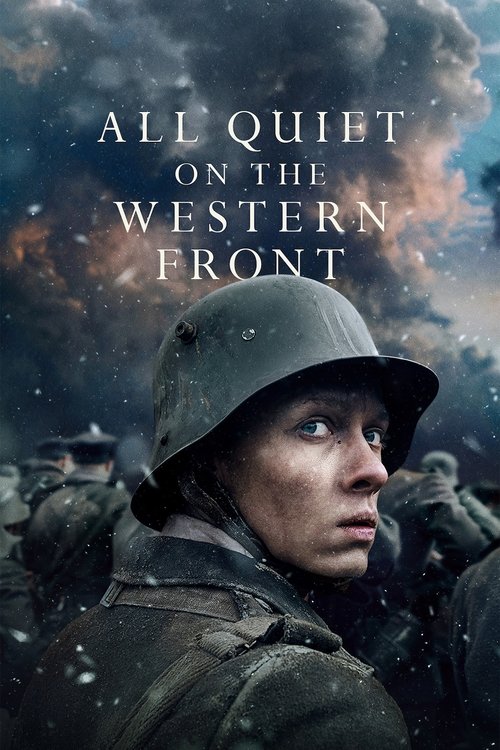
All Quiet on the Western Front
Paul Baumer and his friends Albert and Muller, egged on by romantic dreams of heroism, voluntarily enlist in the German army. Full of excitement and patriotic fervour, the boys enthusiastically march into a war they believe in. But once on the Western Front, they discover the soul-destroying horror of World War I.
💡Why it's a match: A fantastic follow-up watch to Death Mills.
#2
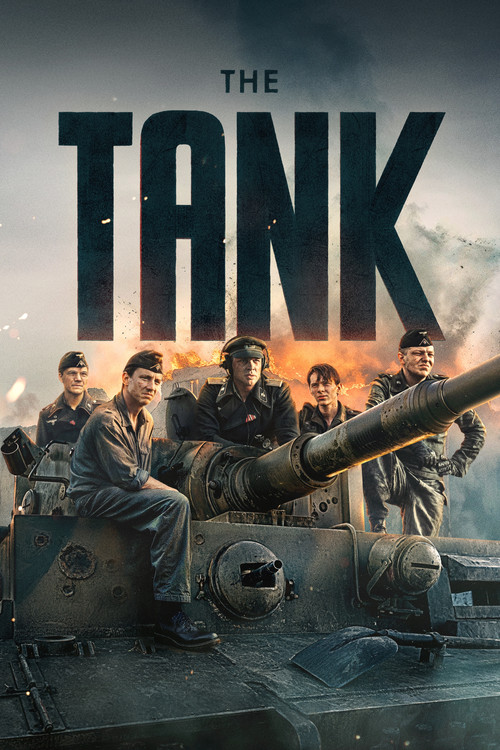
The Tank
A German Tiger tank crew is sent on a dangerous mission to rescue the missing officer Paul von Hardenburg from a top-secret bunker behind enemy lines. As they make their way through the lethal no-man's land, they must confront not only the enemy, but also their own fears and inner demons. Fueled by the Wehrmacht's methamphetamine, their mission increasingly becomes a journey into the heart of darkness.
💡Why it's a match: A fantastic follow-up watch to Death Mills.
#3
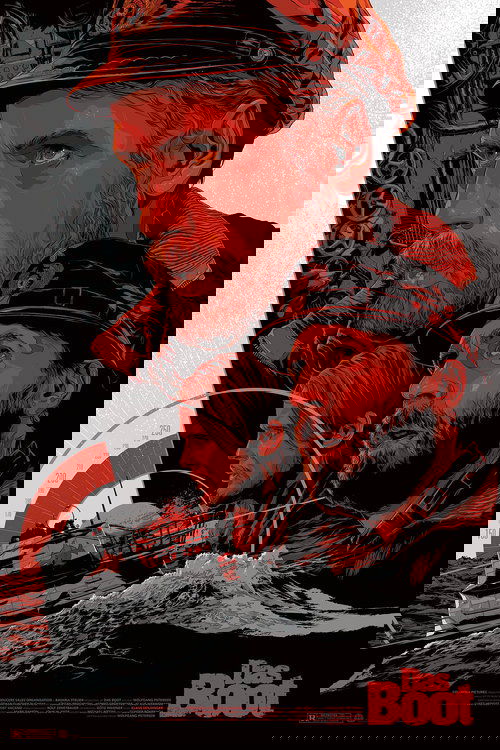
Das Boot
A German submarine hunts allied ships during the Second World War, but it soon becomes the hunted. The crew tries to survive below the surface, while stretching both the boat and themselves to their limits.
💡Why it's a match: A fantastic follow-up watch to Death Mills.
#4
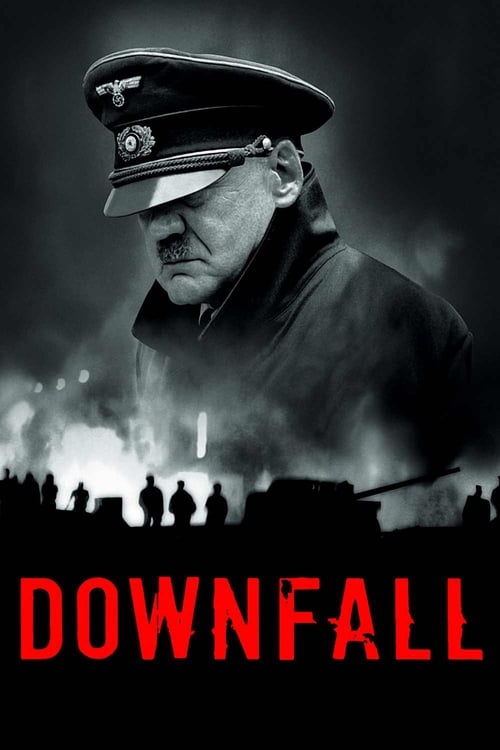
Downfall
In April of 1945, Germany stands at the brink of defeat with the Russian Army closing in from the east and the Allied Expeditionary Force attacking from the west. In Berlin, capital of the Third Reich, Adolf Hitler proclaims that Germany will still achieve victory and orders his generals and advisers to fight to the last man. When the end finally does come, and Hitler lies dead by his own hand, what is left of his military must find a way to end the killing that is the Battle of Berlin, and lay down their arms in surrender.
💡Why it's a match: A fantastic follow-up watch to Death Mills.
#5
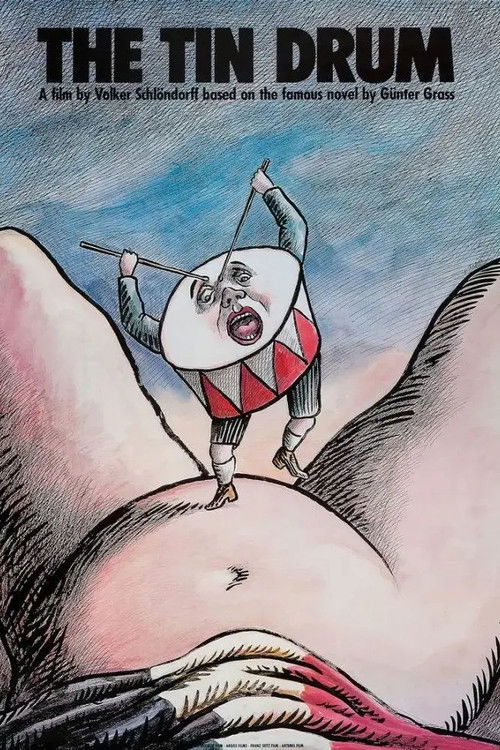
The Tin Drum
In 1924, Oskar Matzerath is born in the Free City of Danzig. At age three, he falls down a flight of stairs and stops growing. In 1939, World War II breaks out.
💡Why it's a match: A fantastic follow-up watch to Death Mills.
#6
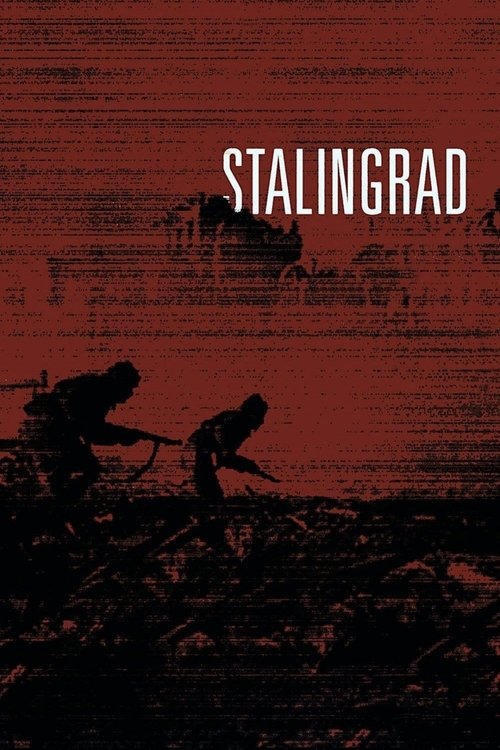
Stalingrad
A German Platoon is explored through the brutal fighting of the Battle of Stalingrad. After half of their number is wiped out and they're placed under the command of a sadistic captain, the platoon lieutenant leads his men to desert. The platoon members attempt escape from the city, now surrounded by the Soviet Army.
💡Why it's a match: A fantastic follow-up watch to Death Mills.

#7
Chess Story
1938. While the Nazi troops march into Vienna, the lawyer Josef Bartok hastily tries to escape to the USA with his wife but is arrested by the Gestapo. Bartok remains steadfast and refuses to cooperate with the Gestapo that requires confidential information from him. Thrown into solitary confinement, Bartok is psychologically tormented for months and begins to weaken. However, when he steals an old book about chess it sets him on course to overcome the mental suffering inflicted upon him, until it becomes a dangerous obsession.
💡Why it's a match: A fantastic follow-up watch to Death Mills.
#8
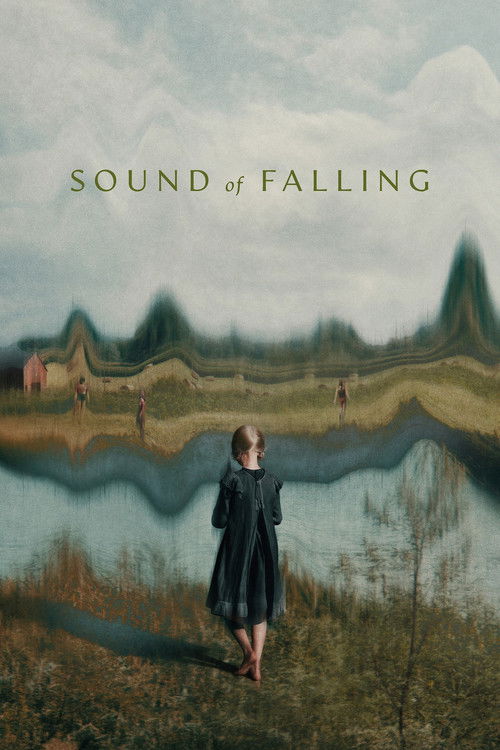
Sound of Falling
Four adolescent girls each spend their youth in the same farmhouse over the last century. Though separated by decades, resonances between their lives emerge: their desires and distress, secrets and truths, encounters with another’s gaze and defiant gaze in return.
💡Why it's a match: A fantastic follow-up watch to Death Mills.

#9
She Devils of the SS
In the last days of WW2, women are volunteering from all over Germany to serve in the front lines by having sex with the brave Nazi soldiers. But when they start having sex with each other, things get complicated. Especially with the increasing danger from the revengeful Soviet army!
💡Why it's a match: A fantastic follow-up watch to Death Mills.
#10
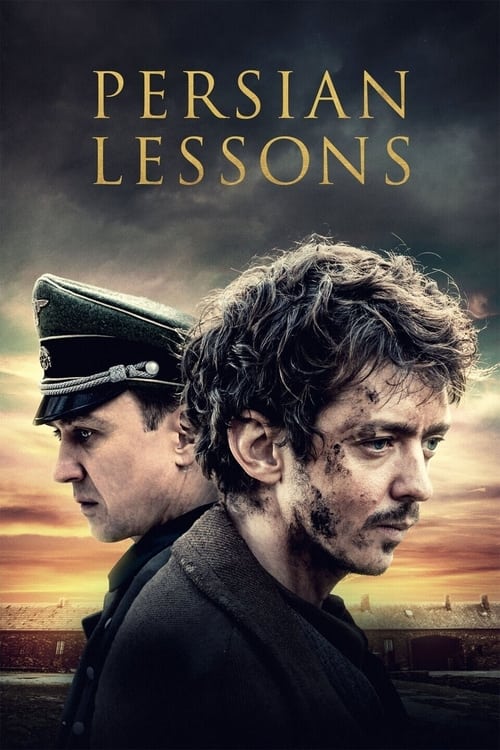
Persian Lessons
Occupied France, 1942. Gilles is arrested by SS soldiers alongside other Jews and sent to a camp in Germany. He narrowly avoids sudden execution by swearing to the guards that he is not Jewish, but Persian. This lie temporarily saves him, but Gilles gets assigned a life-or-death mission: to teach Farsi to Head of Camp Koch, who dreams of opening a restaurant in Iran once the war is over. Through an ingenious trick, Gilles manages to survive by inventing words of "Farsi" every day and teaching them to Koch.
💡Why it's a match: A fantastic follow-up watch to Death Mills.
#11
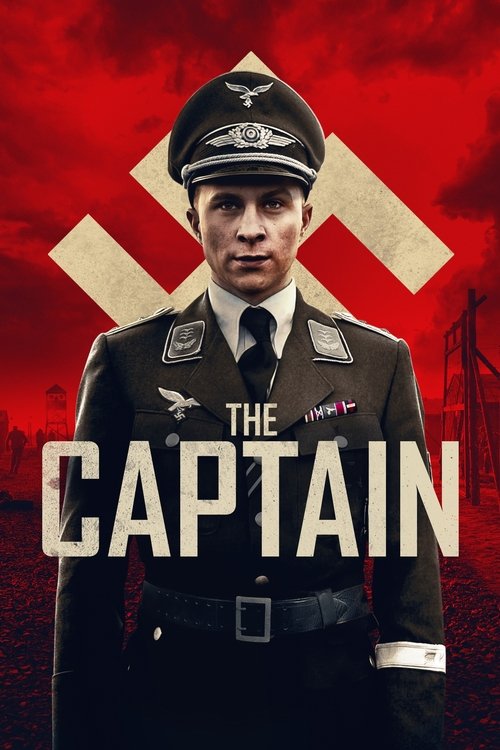
The Captain
Germany, 1945. Soldier Willi Herold, a deserter of the German army, stumbles into a uniform of a Nazi captain abandoned during the last and desperate weeks of the Third Reich. Newly emboldened by the allure of a suit that he has stolen only to stay warm, Willi discovers that many Germans will follow the leader, whoever he is.
💡Why it's a match: A fantastic follow-up watch to Death Mills.

#12
For Sama
A love letter from a young mother to her daughter, the film tells the story of Waad al-Kateab’s life through five years of the uprising in Aleppo, Syria as she falls in love, gets married and gives birth to Sama, all while cataclysmic conflict rises around her. Her camera captures incredible stories of loss, laughter and survival as Waad wrestles with an impossible choice– whether or not to flee the city to protect her daughter’s life, when leaving means abandoning the struggle for freedom for which she has already sacrificed so much.
💡Why it's a match: A highly-rated genre match based on the viewing habits of people who liked Death Mills.
#13
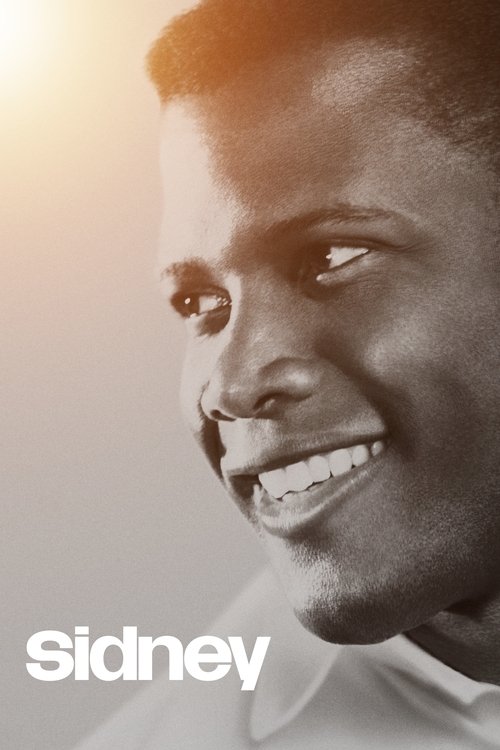
Sidney
This revealing documentary honors the legendary Sidney Poitier—iconic actor, filmmaker, and civil rights activist. Featuring interviews with Denzel Washington, Spike Lee, Halle Berry, and more.
💡Why it's a match: A highly-rated genre match based on the viewing habits of people who liked Death Mills.

#14
20 Days in Mariupol
As the Russian invasion begins, a team of Ukrainian journalists trapped in the besieged city of Mariupol struggle to continue their work documenting the war's atrocities.
💡Why it's a match: A highly-rated genre match based on the viewing habits of people who liked Death Mills.

#15
Alkohol
Alcohol: No substance in the world seems so familiar to us and is so incredibly diverse in its effect. Alcohol is available everywhere and this particular molecule has the power to affect all 200 billion neurons of our human brain in completely different ways. But hardly anyone calls alcohol a drug despite its psychoactive and cell-destroying effect. Why do we tolerate the death of three million people every year? Have we turned a blind eye to the dangers and risks for thousands of years? What role does the powerful alcohol industry play with an annual turnover of 1.2 trillion euros in this on-going concealment? The author, who himself enjoys having a drink, looks into the question why we drink at all, what alcohol does to us and to what extent the alcohol industry influences society and politics.
💡Why it's a match: A fantastic follow-up watch to Death Mills.